Introduction
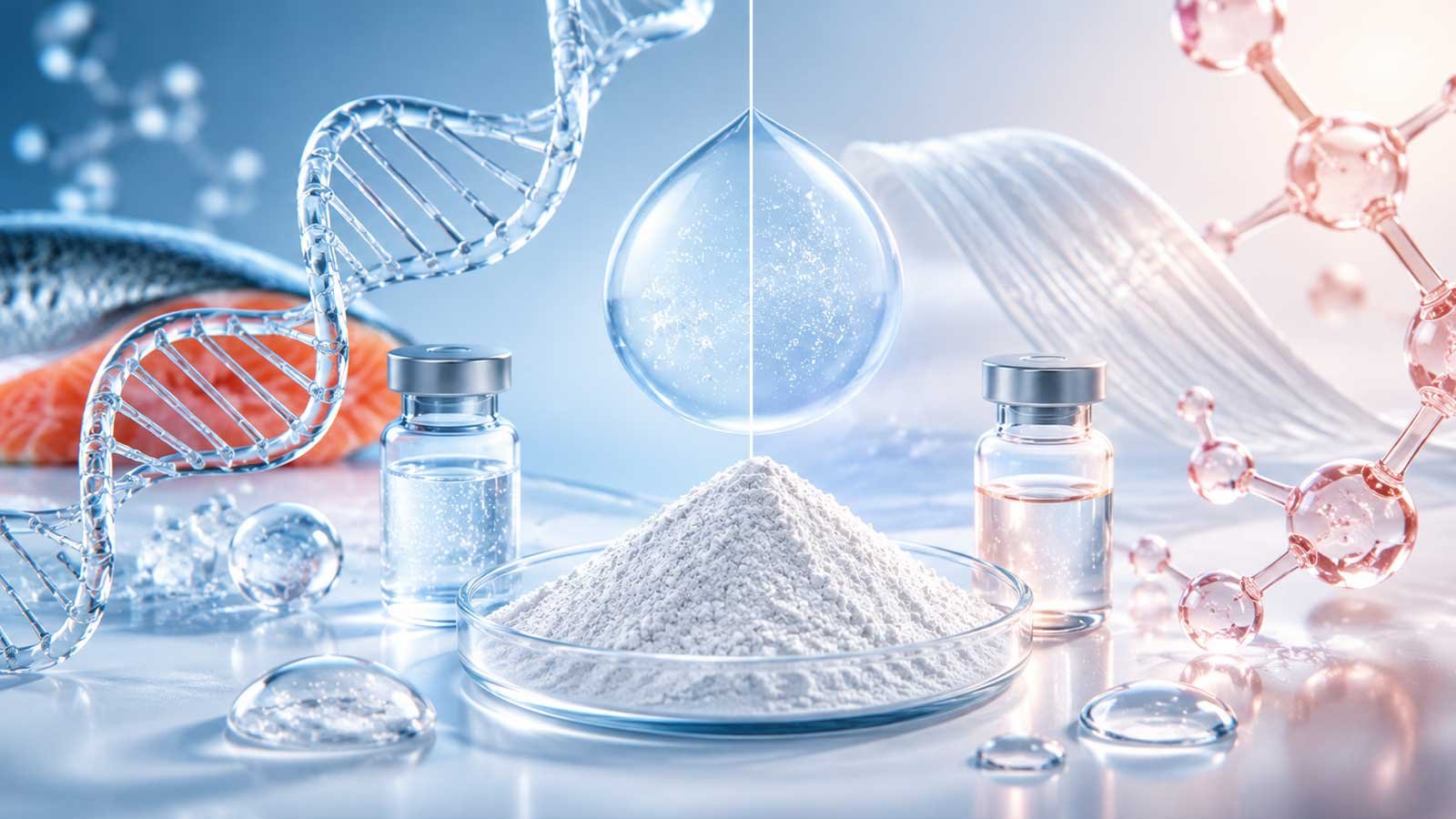
As the global aesthetic and skincare industries continue to evolve, ingredient selection has become increasingly important for product developers, formulation teams, and procurement professionals. Among the most discussed categories in recent years are polynucleotide ingredients, particularly PDRN and PN, both of which are frequently associated with advanced aesthetic formulations and next-generation skincare concepts.
Despite their growing popularity, confusion remains around the differences between PDRN vs PN. The two terms are often used interchangeably in marketing materials, industry discussions, and product descriptions. However, from a raw material and formulation perspective, important distinctions exist in terms of molecular characteristics, manufacturing approaches, purity standards, and application considerations.
For brands developing professional skincare products, mesotherapy formulations, or aesthetic treatment solutions, understanding the relationship between PDRN powder and PN ingredients is essential when evaluating formulation strategies and selecting suitable raw material suppliers.
This article examines the key differences between PDRN and PN, explores their roles in aesthetic and skincare formulations, and provides practical sourcing insights for manufacturers, distributors, and cosmetic brands seeking reliable PDRN suppliers and polynucleotide ingredient partners.
What Are PDRN and PN?
Before comparing PDRN vs PN, it is important to understand what each term represents and how they fit within the broader category of polynucleotide-based ingredients.
PN, short for Polynucleotide, is a general term used to describe polymers composed of nucleotide chains. These biological molecules can vary significantly in molecular weight, chain length, purification level, and source material. Within the aesthetic and skincare sectors, PN is commonly referenced as an ingredient category rather than a specific material specification.
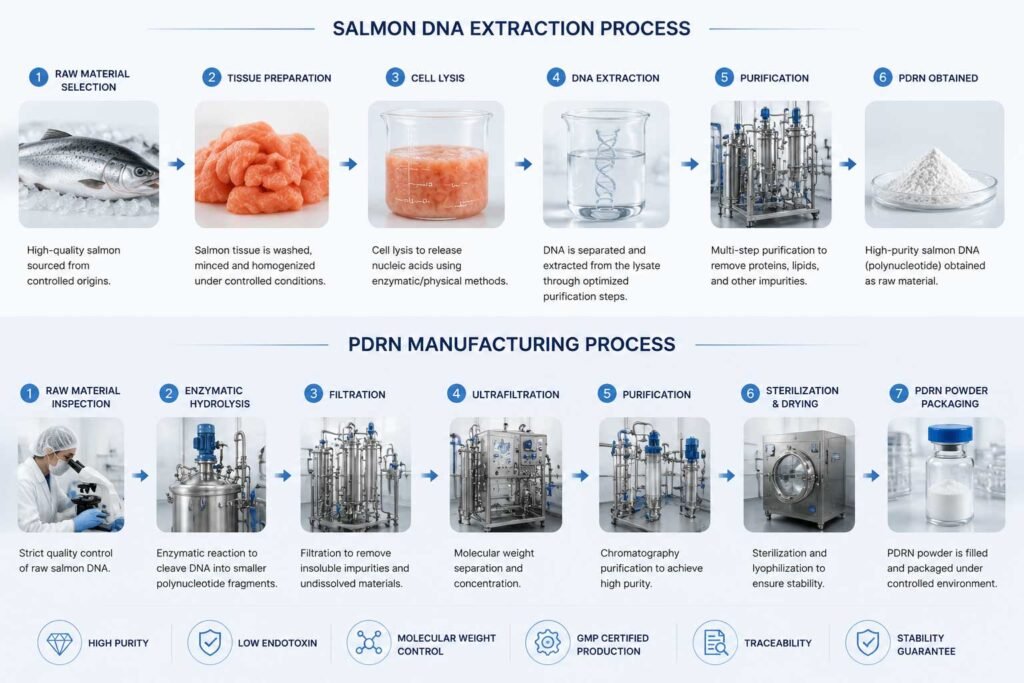
PDRN, or Polydeoxyribonucleotide, represents a more defined subset of polynucleotides. It is typically obtained through controlled extraction and purification processes using salmon-derived DNA sources. The resulting PDRN powder contains highly purified DNA fragments with specific molecular characteristics suitable for advanced cosmetic and aesthetic formulations.
From a sourcing perspective, understanding this distinction is important. While PN can refer to a broad range of materials with varying specifications, PDRN raw material is generally associated with stricter production controls, documented purity standards, and more consistent batch characteristics.
The growing popularity of salmon DNA polynucleotide ingredients has contributed to increased demand for both PN and PDRN across multiple sectors. Skincare brands, aesthetic clinics, and OEM manufacturers are increasingly exploring these ingredients as part of their product development strategies, particularly within premium and professional product categories.
Another important consideration is supplier qualification. Because polynucleotide ingredients can differ substantially in quality and manufacturing methods, working with an experienced PDRN manufacturer helps ensure traceability, technical documentation, and production consistency.
As the market expands, buyers are becoming more focused on understanding not only the ingredient name but also the underlying manufacturing process, quality standards, and intended formulation applications.
PDRN vs PN: Understanding the Technical Difference
Although PDRN belongs to the broader PN category, the two terms should not be viewed as identical from a technical standpoint.
The primary difference lies in the degree of characterization and production control. PDRN powder is generally produced through highly controlled extraction and purification processes designed to achieve defined molecular weight ranges and consistent purity levels. In contrast, PN may refer to a wider range of polynucleotide materials with different molecular profiles depending on the manufacturer and intended use.
One of the most frequently discussed technical parameters is molecular weight distribution. The molecular structure of PDRN is typically optimized to achieve consistent formulation performance and predictable product characteristics. This level of control is particularly important for manufacturers developing professional aesthetic products where ingredient specifications play a significant role in formulation stability and quality assurance.
Another important distinction involves purification standards. High-quality injectable grade PDRN generally undergoes extensive purification and quality control procedures, including molecular characterization, microbiological testing, and batch consistency verification. These processes help ensure that the final material meets stringent manufacturing standards.
PN ingredients, depending on their source and production method, may have broader molecular distributions and varying purity profiles. This does not necessarily make PN inferior; rather, it reflects the fact that PN encompasses a wider category of materials with different intended applications.
For formulation teams, these technical differences can influence ingredient selection decisions. Factors such as molecular weight consistency, raw material specifications, documentation requirements, and regulatory considerations often play a role when comparing polynucleotide vs PDRN options.
From a procurement perspective, supplier transparency is equally important. A reliable PDRN supplier should be able to provide detailed information regarding manufacturing processes, quality control procedures, and technical specifications. This level of documentation allows brands and product developers to make informed sourcing decisions based on objective criteria rather than marketing terminology.
Ultimately, understanding the technical distinction between PN and PDRN enables buyers to align ingredient selection with product goals, target markets, and quality requirements.
Why Are PDRN and PN Used in Aesthetic Formulations?
The increasing use of PDRN aesthetic formulations and PN-based ingredients reflects broader trends within the global skincare and aesthetic industries. Modern consumers are seeking products that combine scientific credibility, premium positioning, and innovative ingredient technologies. As a result, formulation teams are continuously exploring advanced raw materials capable of supporting these expectations.
One reason why PDRN for skin booster products has attracted attention is its compatibility with contemporary formulation concepts. Brands developing professional-use skincare products often prioritize ingredients that align with biotechnology-driven innovation and premium product positioning. PDRN fits naturally within this category due to its well-defined manufacturing profile and documented sourcing standards.
Similarly, PN skincare ingredients have gained traction in formulations designed for high-end skincare systems. Their association with advanced aesthetic technologies allows brands to create differentiated product narratives while supporting premium market positioning.
In the professional aesthetics sector, both PN and PDRN are commonly incorporated into products intended for aesthetic clinics, beauty centers, and specialized treatment providers. This has contributed to growing demand for PDRN powder and other polynucleotide skincare ingredients among distributors, OEM manufacturers, and private-label brands.
Beyond professional channels, interest in polynucleotide ingredients is also increasing among consumer skincare brands. Companies are looking for raw materials that can support innovation-focused marketing strategies while offering flexibility across multiple product formats, including:
- Skin booster formulations
- Concentrated ampoules
- Professional treatment products
- Premium serums
- Advanced skincare systems
The growing popularity of these applications has created significant opportunities for reliable PDRN suppliers capable of delivering consistent quality and technical support.
For product developers, the decision between PN and PDRN often depends on formulation objectives, target markets, and product positioning strategies rather than a simple question of which ingredient is better. Both categories continue to play important roles within the evolving landscape of aesthetic and skincare formulations.
PDRN vs PN: Which Ingredient Is Better for Product Development?
Choosing between pdrn vs pn ingredients is less about one being universally superior and more about selecting the right material to meet formulation objectives, target markets, and brand positioning. Product developers evaluating polynucleotide ingredients must consider multiple factors including molecular weight, purity, regulatory expectations, and intended application.
For injectable applications, such as mesotherapy solutions and skin boosters, injectable grade PDRN is often preferred due to its defined molecular weight distribution, sterility, and traceable production processes. The ability to document these parameters through COA and TDS allows formulation teams to maintain consistency across batches, supporting both product stability and regulatory compliance.
In contrast, PN ingredients may offer broader molecular ranges and can be suitable for topical skincare formulations, serums, and creams where the material does not require injection-level purity. Cosmetic brands sourcing PN powder often appreciate the flexibility it offers in combining with other actives while retaining the aesthetic and marketing appeal of advanced polynucleotide technology.
Ultimately, the decision between PDRN vs PN for skincare depends on factors such as formulation type, brand positioning, production requirements, and supply chain considerations. High-quality suppliers of either material provide guidance, documentation, and technical support to help brands integrate these ingredients seamlessly into their formulations.
By understanding these distinctions, formulation teams can make informed decisions, reduce development risk, and ensure that their products align with market expectations and regulatory standards.
What Should Buyers Consider When Sourcing PDRN or PN?
Selecting a reliable PDRN or PN supplier is as critical as choosing the ingredient itself. Procurement decisions should account for production quality, documentation, batch consistency, and the ability to support long-term supply.
Key considerations include:
- Production Standards: Suppliers should operate in ISO-certified GMP facilities with validated processes. This ensures that both PDRN powder and PN ingredients meet rigorous quality expectations for aesthetic and skincare applications.
- Documentation: A professional PDRN manufacturer provides comprehensive documentation, including Certificates of Analysis (COA), Material Safety Data Sheets (MSDS), and Technical Data Sheets (TDS). These documents are essential for both regulatory compliance and internal quality assurance.
- Technical Support: Experienced suppliers offer guidance on molecular weight specifications, formulation compatibility, storage conditions, and batch handling. This is especially important when working with injectable grade PDRN or high-purity cosmetic-grade polynucleotides.
- Supply Chain Reliability: Consistent delivery schedules, transparent sourcing of salmon DNA raw material, and the ability to meet bulk demand are key factors for brands planning large-scale product launches or OEM projects.
- Customization Capabilities: Top suppliers can accommodate specific molecular weight ranges, packaging formats, and private-label requirements, providing flexibility for both established and emerging brands.
By carefully evaluating these aspects, buyers can select suppliers that not only provide high-quality PDRN or PN ingredients but also act as strategic partners in formulation development and product innovation. Working with a credible supplier reduces risks, supports compliance, and strengthens the technical narrative of the final product.
Future Trends of Polynucleotide Ingredients
The market for polynucleotide ingredients, including both PDRN powder and PN derivatives, continues to grow as aesthetic and skincare brands increasingly seek science-backed materials. Several trends are shaping this evolution:
- Combination Formulations: PDRN is often integrated alongside peptides, hyaluronic acid, and other premium actives to create synergistic skincare solutions. This trend is prominent in high-end serums, ampoules, and professional treatments.
- Regional Market Expansion: East Asian, European, and Middle Eastern markets are showing increased adoption of polynucleotide-based products. Clinics and professional aesthetic brands are expanding their use of injectable grade PDRN in advanced treatments, driving demand for high-quality suppliers.
- Transparency and Sustainability: Brands are paying more attention to sourcing and environmental practices. Suppliers who can demonstrate ethical sourcing of salmon DNA and environmentally responsible production methods are preferred.
- Advances in Manufacturing: Technological improvements in purification, molecular characterization, and quality control are enabling more consistent PDRN powder products, suitable for both injectable and cosmetic applications.
These developments suggest that polynucleotide ingredients will remain a key component of premium aesthetic formulations, making partnerships with experienced PDRN manufacturers increasingly important for long-term product success.
Frequently Asked Questions About PDRN and PN
Q1: Is PDRN the same as PN?
No. While PDRN is a defined subset of polynucleotides with controlled molecular weight and purification standards, PN refers to a broader category of nucleotide polymers used in various cosmetic and aesthetic applications.
Q2: Which ingredient is more commonly used in skin boosters?
Both PN and injectable grade PDRN are utilized depending on product goals. PDRN is preferred in professional injectable formulations, while PN is often incorporated into topical skincare products.
Q3: Can PDRN and PN be used in the same formulation?
Yes. Formulation compatibility depends on molecular weight, solubility, and other physicochemical properties. Technical consultation with a PDRN supplier is recommended.
Q4: What documents should a supplier provide?
Suppliers should provide COA, MSDS, and TDS for each batch, including purity, molecular weight, and stability data.
Q5: How should PDRN powder be stored?
Store in a cool, dry place, typically 2–8°C, protected from direct light. Proper storage ensures long-term stability for both cosmetic and injectable-grade materials.
Q6: How do I evaluate a reliable PDRN supplier?
Check for GMP-compliant production, ISO certification, consistent batch quality, traceable sourcing, and technical support capabilities. Suppliers offering guidance on formulation, molecular weight, and bulk supply provide the most value.
Conclusion and Contact Information
Understanding the differences between PDRN vs PN is essential for formulation teams, procurement professionals, and aesthetic brands seeking to integrate polynucleotide ingredients into their products. Each material has unique properties and applications, and selection should align with formulation objectives, target markets, and production requirements.
Sourcing from a professional PDRN manufacturer ensures access to high-quality, consistent, and fully documented raw materials. Buyers can request technical guidance, batch specifications, and injectable or cosmetic-grade PDRN powder samples to support informed product development decisions.
For inquiries regarding sourcing, technical consultation, or bulk supply, buyers may reach out via email at extract@chenlangbio.com or by phone at +86-17782478823. Providing these contact details within a professional context allows potential partners to connect without appearing as a marketing pitch.
Partnering with experienced suppliers of PDRN and PN ingredients supports innovation, product consistency, and reliability in the growing global market for aesthetic and skincare formulations.